Diagnosis
Premature rupture of membranes
Rupture of amnion sac prior to the onset of labor contractions. Preterm PROM if this occurs before 37 weeks gestation.
Also known as: PROM
Etiology
Cause [kvy]
Infection: chlamydia, strep B, gonococcus, ammnionitis
Physiologic membrane weakening at the end of gestation
Intraamniotic pressure
Cervical insufficiency
Trauma
Unknown
Pathophysiology
Fetal membranes give mechanical protection to the fetus from microbes
in the uterus
A woman with premature rupture of membranes is at risk of intra-amniotic infection, postpartum infection, endometritis, and death
A neonate born from premature rupture of membranes mother is at high risk of respiratory distress syndrome, sepsis, intraventricular hemorrhage and death
Risk factors [tq3]
Previous PROM
Short cervical length
Smoking
Age young and old
STD
Poverty
Uterus distention (twins, polyhydramnion)
Low BMI
Diabetes
Hypertension
Hypertyreosis
Cerclage
Amniocentesis
Complications [kvy]
Maternal:
Intrauterine infection
Sepsis
Placental abruption
Antenatal, intrapartum, and postpartum hemorrhage
Death
Fetal:
Neonatal sepsis
Prematurity
Pulmonary hypoplasia
Respiratory distress syndrome
Intraventricular hemorrhage
Necrotizing enterocolitis
Retinopathy of prematurity
Limb contractures and skeletal deformities
Hypothermia
Glucose and electrolyte abnormalities
Failure to thrive
Death
Epidemiology
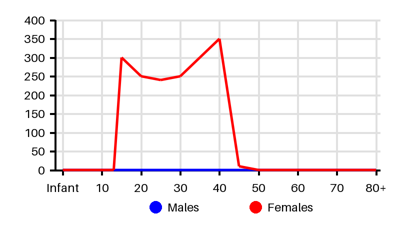
Incidence per 100.000 [b3m][gei][gmg][tpb][s6c][swh][tq3][bsr][q18]
Symptoms & findings
Symptoms
Clinical findings
Elevated CRP, Leukocytosis, Oligohydramnios
Anamneses
Localized findings
Approach
Speculum examination
Nitrazine swab of vaginal fluid: pH of amniotic fluid typically is 7.1-7.3
Microscopic examination of vaginal fluid for "ferning"
Dye test (tampon test)
Amniotic fluid proteins: placental alpha microglobulin-1, IGFBP-1, alpha-fetoprotein
Ultrasound: oligohydramnios
Urine stix
Urine culture
Cervical cultures
Cytology
Vaginal pH
Amniocentesis:
Injection of indigo carmine to demonstre blue staining on a tampon or pad:
Lung maturity accuracy
Infection
Treatment
Management of PPROM: balance the risks of prolonging pregnancy with fetal risks of prematurity [s6c][jix][kvy]
Maternal vital signs
Fetal monitoring
Ultrasonographic documentation of gestational age, fetal weight, fetal presentation
Visual inspection of the cervix can accurately estimate cervical dilatation
Prior to 34 weeks gestation:
Transfer to a tertiary care center because of the risk of preterm birth
Corticosteroids (Betamethasone 12 mg IM, 2 doses) --> accelerate lung maturity
Tocolysis for transfer
Broad spectrum antibiotic therapy
Conservative management to improve fetal outcome
Risk of maternal infection: chorioamnionitis (13-60%), endometritis (2-13%), sepsis (< 1%), and maternal death (1-2 cases per 1000)
After 34 weeks gestation:
Immediate induction of labour, with the potential risk of prematurity requiring neonatal intensive care unit management
Expectant management (waiting for fetal maturity or the spontaneous onset of labour) may prolong pregnancy but increase the risk of chorioamnionitis
Immediate delivery of the fetus: infection/chorioamnionitis, advanced labor, maternal or fetal distress, placental abruption, fetal lung maturity
Differential diagnoses
Cervicitis, Perspiration, Urinary incontinence, Urinary tract infection, Vaginitis, Vesicovaginal fistula
References
[1] Dayal S, Jenkins SM, Hong PL. Preterm and Term Prelabor Rupture of Membranes (PPROM and PROM) [Updated 2024 Oct 31]. In: StatPearls [Internet]. Treasure Island (FL): StatPearls Publishing; 2025 Jan-. Available from: https://www.ncbi.nlm.nih.gov/books/NBK532888/
[2] Lin D, Hu B, Xiu Y, Ji R, Zeng H, Chen H, Wu Y. Risk factors for premature rupture of membranes in pregnant women: a systematic review and meta-analysis. BMJ Open. 2024 Mar 29;14(3):e077727.
[3] Assefa NE, Berhe H, Girma F, Berhe K, Berhe YZ, Gebreheat G, Werid WM, Berhe A, Rufae HB, Welu G. Risk factors of premature rupture of membranes in public hospitals at Mekele city, Tigray, a case control study. BMC Pregnancy Childbirth. 2018 Sep 29;18(1):386.
[4] Jena BH, Biks GA, Gete YK, Gelaye KA. Incidence of preterm premature rupture of membranes and its association with inter-pregnancy interval: a prospective cohort study. Sci Rep. 2022 Apr 5;12(1):5714.
[5] Chiegue SN, Njamen TN, Wabo B,et al. Risk Factors Associated with Early Preterm Premature Rupture of Membranes in Women with and without Early Preterm Premature Rupture of Membranes in Cameroon. Gynecol Reprod Health. 2023; 7(3): 1-7.
[6] Galletta MAK, Bittar RE, Agra I, Guerra ECL, Francisco RPV, Zugaib M. Epidemiological profile of patients with preterm premature rupture of membranes at a tertiary hospital in São Paulo, Brazil. Clinics (Sao Paulo). 2019 Oct 21;74:e1231.
[7] Smith G, Rafuse C, Anand N, Brennan B, Connors G, Crane J, Fraser W, Gratton R, Moutquin JM, Scott H, Schneider C, Walker M. Prevalence, management, and outcomes of preterm prelabour rupture of the membranes of women in Canada. J Obstet Gynaecol Can. 2005 Jun;27(6):547-53.
[8] Getahun D, Ananth CV, Oyelese Y, Peltier MR, Smulian JC, Vintzileos AM. Acute and chronic respiratory diseases in pregnancy: associations with spontaneous premature rupture of membranes. J Matern Fetal Neonatal Med. 2007 Sep;20(9):669-75.
[9] Andrabi, S. U., Khan, I. A., Bashir, N., & Nisa, Z. U. (2023). A prospective study of maternal outcome of labor and perinatal outcome in premature rupture of membranes. International Journal of Reproduction, Contraception, Obstetrics and Gynecology, 12(4), 989–993.
[10] Andryani, Lestari DR, Nasrun EK, Hamudi JP, Al Rajab M, Ayu FK. World Journal of Advanced Research and Reviews, 2024, 22(03), 1085–1093.
[11] http://emedicine.medscape.com/article/261137 (2014-01-02); [Medscape]