Diagnosis
Acute sinusitis
Infection of the paranasal sinuses/nasal mucosa, usually preceded by an upper respiratory infection, allergy, trauma, or dental infection.
Also known as: Acute bacterial rhinosinusitis, Acute bacterial sinusitis, Acute rhinosinusitis, Common cold
Etiology
Cause [krd]
Virus (common cold): rhinovirus (50%), adenovirus, coronavirus, influenza virus, SARS-CoV-2 virus
Bacteria: S. pneumoniae, H. influenzae, M. catarrhalis
Pathophysiology [krd]
A viral infection triggers the inflammatory cascade (viral phase of 7-10 days, common cold)
Inflammation may be prolonged (post-viral phase lasting more than 10 days)
This inflammatory condition of the mucosa may facilitate a bacterial infection (bacterial rhinosinusitis in 0.5-2% of cases)
Complications [sc9]
Meningitis
Orbital cellulitis
Brain abscess
Cavernous sinus thrombosis
Differentiate acute bacterial vs viral rhinosinusitis
Persistent symptoms compatible with acute rhinosinusitis, lasting for ≥10 days without any evidence of clinical improvement
Severe symptoms, high fever (≥39°C) and purulent nasal discharge or facial pain lasting for at least 3–4 consecutive days
Worsening symptoms or signs characterized by the new onset of fever, headache, or increase in nasal discharge following a typical viral upper respiratory infection that lasted 5–6 days and were initially improving (“double-sickening”)
Epidemiology
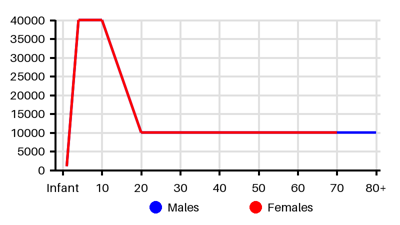
Incidence per 100.000 [sc9][krd][hgs][v8k][enr][tap]
Symptoms & findings
Symptoms
Cough, Epistaxis, Fever, Halitosis, Headache, Malaise, Nasal discharge
Clinical findings
None listed.
Anamneses
None listed.
Localized findings
Approach
Anterior rhinoscopy: mucosal edema
Nasal endoscopy
Antral puncture and culture [krd]
Middle meatus culture
Maxillary sinus aspiration
CT scan
Diagnostic criteria for acute rhinosinusitis [krd]
≥2 of the following clinical findings:
Nasal congestion/blockage/obstruction
Rhinorrhea
Facial pain/pressure
Reduction/loss of smell, lasting up to 12 weeks
Diagnostic criteria for acute bacterial rhinosinusitis [krd]
≥3 of the following clinical findings:
Fever (≥ 38 °C)
Severe facial pain
Double sickening
Unilateral disease (with discolored mucus)
Elevation of CRP/erythrocyte sedimentation ratio (ESR)
Treatment
Prophylaxis: hygiene rules (hand washing, social distancing, facemask and eye guards) [krd]
Usually self-resolving --> symptomatic relief: NSAIDs, paracetamol, antihistamines, nasal decongestants, Nasal saline irrigation
Watchful waiting (without antibiotics)
If bacterial etiology --> Amoxicillin for 5-10 days
CT scanning when suspected serious complications (meningitis, orbital cellulitis, brain abscess and cavernous sinus thrombosis)
Differential diagnoses
Acute invasive fungal sinusitis, Allergic rhinosinusitis, Chronic sinusitis
References
[1] Jaume F, Valls-Mateus M, Mullol J. Common Cold and Acute Rhinosinusitis: Up-to-Date Management in 2020. Curr Allergy Asthma Rep. 2020 Jun 3;20(7):28.
[2] https://emedicine.medscape.com/article/232670-overview?form=fpf
[3] Wald ER, Nash D, Eickhoff J. Effectiveness of amoxicillin/clavulanate potassium in the treatment of acute bacterial sinusitis in children. Pediatrics. 2009 Jul;124(1):9-15.
[4] Marom et al. Acute bacterial sinusitis complicating viral upper respiratory tract infection in young children. Pediatr Infect Dis J. 2014 Aug;33(8):803-8.
[5] Smith et al. The prevalence of bacterial infection in acute rhinosinusitis: a Systematic review and meta-analysis. Laryngoscope. 2015 Jan;125(1):57-69.
[6] Gwaltney et al. Acute community-acquired bacterial sinusitis: the value of antimicrobial treatment and the natural history. Clin Infect Dis. 2004 Jan 15;38(2):227-33.
[7] [First Aid for the Surgery Clerkship]