Diagnosis
Chickenpox
An acute, short-lived viral illness with classical generalized itchy blisters accompanied by fever which generally occurs in children and young adults.
Also known as: Varicella, Varicella zoster infection, Varicella zoster virus
Etiology
Cause [ewv]
Chickenpox is caused by varicella zoster virus
A highly contagious airborne disease spread by inhalation of airborne respiratory droplets (coughing, sneezing) or direct contact with vesicles
Average incubation period: 2 weeks
Pathophysiology [t9o][ewv]
Inhalation of contaminated respiratory droplets
Infection of the conjunctivae or the mucosae of the upper respiratory tract
Viral proliferation occurs in regional lymph nodes
Primary viremia initiates the production of IgG, IgM, and IgA
IgG antibodies persist for lifelong cell-mediated immune responses
Probably spread from mucosal and epidermal lesions to local sensory nerves
VZV then remains latent in the dorsal ganglion cells of the sensory nerves
Reactivation of VZV --> herpes zoster (shingles)
Risk factors [ewv]
Immunocompromised (cancer, chemotherapy, HIV, immunodeficiency disorders)
Pregnant women
Complications [ewv]
Varicella pneumonia
CNS: Meningitis/encephalitis, acute cerebellar ataxia, Guillain-Barré syndrome
Reye syndrome (encephalitis and fatty liver): aspirin to children with varicella
Bacterial superinfection of cutaneous lesions: cellulitis, impetigo, or erysipelas
Septicemia
Congenital varicella syndrome
Primary maternal chickenpox infection in early to mid-pregnancy
Limb hypoplasia, muscular atrophy, skin scarring, cortical atrophy, microcephaly, cataract formation, and rudimentary digits
Other: Thrombocytopenia, hepatitis, glomerulonephritis, optic neuritis, keratitis, arthritis, myocarditis, pancreatitis, orchitis, and vasculitis
Epidemiology
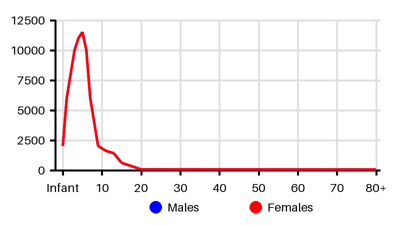
Incidence per 100.000 [eyn][n6b][zss][qd1]
Symptoms & findings
Symptoms
Anorexia, Fever, Headache, Malaise, Myalgia, Nausea
Clinical findings
None listed.
Anamneses
None listed.
Localized findings
Approach
Clinical presentation: generalized skin rash of itchy blisters accompanied by fever, fatigue, pharyngitis, and headaches, usually lasting 5 to 7 days
Vesicular fluid culture
Vesicular fluid: polymerase chain reaction
Biopsy with immunofluorescence
Treatment
Benign disease that requires symptomatic therapy only: [ewv][t9o]
Pruritus: calamine lotion, pramoxine gel, powdered oatmeal baths, antihistamine
Severe varicella infection:
Oral acyclovir started within 24 to 48 hours of rash onset
Immunosuppressed or immunocompromised:
Intravenous acyclovir
Varicella-zoster immune globulin: 125 U/10 kg, maximum 625 U
VZV Vaccination
Differential diagnoses
Bullous pemphigoid, Cellulitis, Coxsackievirus infection, Dermatitis herpetiformis, Drug eruptions, Eczema, Erysipelas, Erythema multiforme, Herpes simplex, Herpes zoster, Impetigo, Insect Bite, Mpox, Pemphigus vulgaris, Pityriasis lichenoides, Rickettsia, Scabies, Smallpox, Syphilis
References
[1] Saleh HM, Ayoade F, Kumar S. Varicella-Zoster Virus (Chickenpox) [Updated 2025 Apr 27]. In: StatPearls [Internet]. Treasure Island (FL): StatPearls Publishing; 2025 Jan-. Available from: https://www.ncbi.nlm.nih.gov/books/NBK448191/
[2] http://emedicine.medscape.com/article/1131785; [Medscape]
[3] Finger et al. Age-specific incidence of chickenpox. Public Health Rep. 1994 Nov-Dec;109(6):750-5.
[4] Chang et al. Epidemiological characteristics of varicella from 2000 to 2008 and the impact of nationwide immunization in Taiwan. BMC Infect Dis 11, 352 (2011).
[5] Choo et al. The epidemiology of varicella and its complications. J Infect Dis. 1995 Sep;172(3):706-12.
[6] Socan M, Blaško M. Surveillance of varicella and herpes zoster in Slovenia, 1996 – 2005. Euro Surveill. 2007;12(2):pii=687.