Diagnosis
Abdominal compartment syndrome
A fixed abdominal compartment (defined by myofascial elements) becomes subject to increased pressure (intra-abdominal hypertension), leading to ischemia and organ dysfunction. Abdominal hypertension: IAP > 12mmHg. Abdominal Compartment Syndrome: Abdominal hypertension with organ failure.
Etiology
Causes [nsn]
Primary abdominal compartment syndrome - intra-abdominal pathology: Penetrating trauma, Intraperitoneal hemorrhage, Pancreatitis, External compressing forces (debris from a motor vehicle collision), Pelvic fracture, Rupture of abdominal aortic aneurysm and Perforated peptic ulcer.
Secondary abdominal compartment syndrome - injuries outside the abdomen cause fluid accumulation: Large-volume resuscitation (>3 L), Large areas of full-thickness burns, Trauma without identifiable injury, Postoperative, Packing and Sepsis.
Chronic abdominal compartment syndrome - presence of cirrhosis and ascites: Peritoneal dialysis, Morbid obesity, Cirrhosis, Meigs syndrome and Intra-abdominal mass.
Pathophysiology [nsn]
Abdominal perfusion pressure = Mean arterial pressure - Intra-abdominal pressure (>60 mmHg is correlated with improved survival).
Intra-abdominal hypertension (>12 mmHg) may cause:
Impaired oxygen delivery -> ischemia and anaerobic metabolism -> metabolic acidosis
Decreased urine output caused by falling renal perfusion
Direct compression and collapse of hollow systems such as the intestinal tract (bowel wall edema) and portal-caval system (thrombosis)
Respiratory insufficiency secondary to compromised tidal volumes
Cardiovascular failure and decrease in cerebral perfusion pressure
Risk factors [bna][ynm][ehv]
Septic shock
Hemorrhagic shock
Extensive burns
Pancreatitis (57%)
Trauma
Peritonitis
Peritoneal dialysis
Ventral hernia repair
Liver transplantation (7%)
Abdominal aorta surgery (5%)
Damage control laparotomy (5.5%)
Ascites
Ileus
Pneumoperitoneum
Mechanical ventilation
Pneumonia
Gastroparesis
Intestinal ischemia
Complications [nsn]
Renal failure
Bowel ischemia
Respiratory distress or failure
Increased cranial pressure
Cardiac failure
Epidemiology
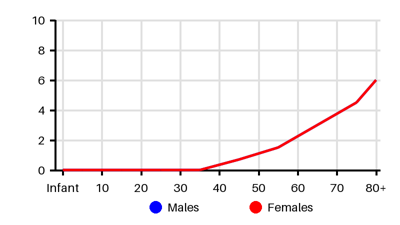
Incidence per 100.000 [3u1][bna]
Symptoms & findings
Symptoms
Anuria, Cyanosis, Dyspnea, Hematochezia, Hypotension, Melena, Nausea, Oliguria, Respiratory failure, Syncope, Tachycardia, Tachypnea, Vomiting, Weakness
Clinical findings
Elevated Central Venous Pressure, Elevated Creatinine, Elevated Intracranial Pressure, Elevated Pulmonary Capillary Wedge Pressure, Metabolic acidosis, Shock
Anamneses
Acute pancreatitis, Alcohol, NSAIDs, Surgery, Trauma
Localized findings
Approach
Blood test
Blood gas
Urinary output
Paracentesis
Foley catheter barometer
Treatment
Abdominal wall compliance: [nsn]
Remove constricting garments
Adequate sedation
Neuromuscular blockade
Eschar release
Drainage of fluid or bowel contents
Restrictive fluid resuscitation
Laparotomy decompression and negative pressure dressing system
Resuscitating with hypertonic products or colloids
Consideration of hemodialysis or ultrafiltration
Differential diagnoses
Acute mesenteric ischemia, Acute pancreatitis, Aortic dissection, Appendicitis, Cholangitis, Diverticulitis, Heart failure, Hypovolemia, Pulmonary edema, Ruptured aortic aneurysm, Sepsis, Urinary retention
References
[1] Popowicz P, Newman RK, Dominique E. Abdominal Compartment Syndrome. Updated 2023 Sep 20: https://www.ncbi.nlm.nih.gov/books/NBK430932/
[2] Smit et al. Intra-abdominal hypertension and abdominal compartment syndrome in patients admitted to the ICU. Ann Intensive Care. 2020 Oct 1;10(1):130.
[3] Montalvo-Jave et al. Abdominal compartment syndrome: Current concepts and management. Rev Gastroenterol Mex (Engl Ed). 2020 Oct-Dec;85(4):443-451.
[4] Ertel et al. Incidence and clinical pattern of the abdominal compartment syndrome after "damage-control" laparotomy in 311 patients with severe abdominal and/or pelvic trauma. Crit Care Med. 2000 Jun;28(6):1747-53.
[5] Iyer et al. Early screening to identify patients at risk of developing intra-abdominal hypertension and abdominal compartment syndrome. Acta Anaesthesiol Scand. 2014 Nov;58(10):1267-75.
[6] http://emedicine.medscape.com/article/829008 (2014-01-26); [Medscape]
[7] http://www.uptodate.com/contents/abdominal-compartment-syndrome (2014-01-26); [Uptodate]