Diagnosis
Asthma
A chronic inflammatory disease of the airways characterized by recurrent reversible attacks of dyspnea and wheezing that either resolves spontaneously or responds to treatments.
Etiology
Cases for airway hyperreactivity
Environmental allergens: animal allergens (cat and dog), fungi
Viral respiratory tract infections
Exercise/hyperventilation (cold/dry air or pollutants cause bronchoconstriction)
Gastroesophageal reflux disease (increases airway resistance and reactivity)
Chronic sinusitis or rhinitis
Aspirin, NSAID or sulfite hypersensitivity
Beta blockers
Obesity
Environmental pollutants, tobacco smoke
Occupational exposure
Irritants: household sprays, paint fumes, insects, plants, latex, gums, diisocyanates, anhydrides, wood dust, fluxes
Emotional factors or stress
Perinatal factors: prematurity, increased maternal age, maternal smoking
Pathophysiology
Exogenous (allergic) and endogenous stimuli -> bronchial hyperresponsiveness -> airway inflammation -> bronchospasm, bronchial wall thickening and mucus hypersecretion -> intermittent airflow obstruction
Allergic airway inflammation is caused by mast cells, eosinophils, epithelial cells, macrophages, Th2 lymphocytes and cytokines
Cell-derived mediators influence smooth muscle tone and produce structural changes and remodeling of the airway
Epidemiology
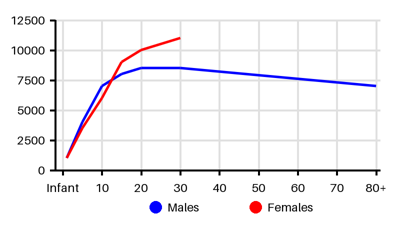
Prevalence per 100.000 [rwn][mro][hdq]
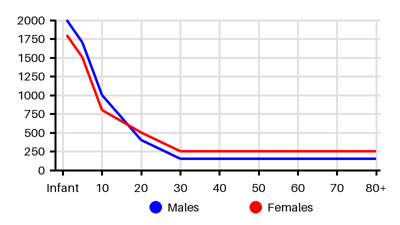
Incidence per 100.000 [rwn][mro][hdq]
Symptoms & findings
Symptoms
Accessory muscles of respiration, Agitation, Bronchorrhea, Confusion, Cough, Cyanosis, Decreased consciousness, Decreased respiratory sounds, Diaphoresis, Dyspnea, Intercostal retraction, Nasal flaring, Somnolence, Tachycardia, Tachypnea, Wheezing
Clinical findings
Acidosis, Elevated IgE, Eosinophilia, Hypercarbia, Hypoxemia, Pulmonary hyperinflation, Pulsus paradoxus, Respiratory acidosis
Anamneses
None listed.
Localized findings
Approach
Blood test
Blood gas
Pulse oximetry
ECG
Chest x-ray
CT thorax
MR thorax
Spirometry
Sputum culture
Allergy Skin Testing
Biopsy
Treatment
Treatment dependant on severity and frequency. Treatment goals are to reduce asthma-related symptoms and risk of future exacerbations.
Acute asthma exacerbation [osq][vkh]
Oxygen mask
Glucocorticoid inhaler (anti-inflammation)
Beta-agonist inhaler (bronchodilation)
Muscarinic antagonist inhaler
Leukotriene modifier
Systemic glucocorticoids (severe cases)
Profylaxis [osq][vkh]
Environmental Control: identification and avoidance of asthma "triggers" (allergens, dust, cat, pollen, fumes, cigarette smoke)
Immunotherapy: repeated injections of small doses of allergen (uncertain evidence)
Monoclonal Antibody Therapy: Omalizumab / Mepolizumab / Reslizumab / Benralizumab / Dupilumab / Tezepelumab: decreases IgE antibody levels -> reduced histamine production/bronchospasm
Bronchial Thermoplasty
Differential diagnoses
Acute sinusitis, Alpha1-antitrypsin deficiency, Anaphylaxis, Aspergillosis, Bronchiectasis, Bronchiolitis, Bronchitis, Bronchomalacia, Churg-Strauss syndrome, COPD, Croup, Cystic fibrosis, Foreign body, Gastroesophageal reflux disease, Heart failure, Pneumonia, Pulmonary embolism, Sarcoidosis, Tracheomalacia, Vocal cord immobility
References
[1] Torén et al. A prospective study of asthma incidence and its predictors: the RHINE study. Eur Respir J. 2004 Dec;24(6):942-6.
[2] Luo et al. Trends and age-period-cohort effects on incidence and mortality of asthma in Sichuan Province, China, 1990-2019. BMC Pulm Med. 2022 Aug 3;22(1):298.
[3] National Center for Health Statistics. (2023). 2022 NHIS Adult Summary Health Statistics. U.S. Department of Health and Human Services. https://data.cdc.gov/d/25m4-6qqq
[4] https://www.uptodate.com/contents/an-overview-of-asthma-management#H3
[5] http://emedicine.medscape.com/article/296301 (2014-02-03); [Medscape]
[6] https://www.cdc.gov/asthma/most_recent_national_asthma_data.htm
[7] Lopez-Bago et al. Sex, Age, and Regional Disparities in the Burden of Asthma in Mexico from 1990 to 2019: A Secondary Analysis of the Global Burden of Disease Study 2019. Sustainability 2023, 15, 12599.