Diagnosis
Benign bile duct tumor
Tumors < 2 cm in size that arise from ductal glandular epithelium most commonly found at the ampulla of Vater.
Also known as: Benign cholangioma, Bile duct adenoma
Etiology
Cause
Reactive
Traumatic
Malformative proliferation: adenoma/adenofibroma/hamartoma
Pathophysiology
Benign bile duct tumor --> bile duct obstruction --> hepatocellular dysfunction (coagulopathy, pruritus, renal dysfunction, cholangitis)
Epidemiology
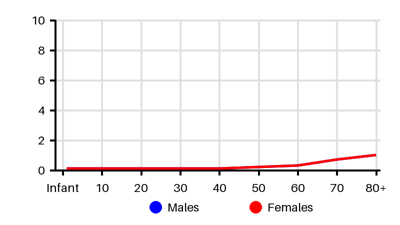
Incidence per 100.000 [gtd][hyk][sc6]
Symptoms & findings
Symptoms
Clinical findings
Cholestasis, Elevated ALP, Elevated Bilirubin, Elevated GGT, Jaundice
Anamneses
None listed.
Localized findings
Approach
Blood test
Intraoperative cholangiogram
Ultrasound abdomen
MRCP
ERCP
PTC
Treatment
No treatment unless symptoms (obstruction) or cancer
Obstruction:
Stent
Endoscopic mucosal resection
Transduodenal papillotomy
Surgery with intraoperative frozen section
Bile duct resection [small tumors)
Whipple operation
Hepatic lobectomy
Liver transplantation
Differential diagnoses
Bile duct stricture, Biliary obstruction, Carcinoma of the ampulla of Vater, Cholangiocarcinoma, Cholangitis, Cholecystitis, Choledocholithiasis, Cholelithiasis, Gallbladder cancer, Gastrinoma, Glucagonoma, Hepatocellular carcinoma, Insulinoma, Liver abscess, Pancreatic cancer, Primary biliary cirrhosis, Primary sclerosing cholangitis, VIPoma
References
[1] Čekas et al. Common bile duct villous adenoma: a case report and review of the literature. J Med Case Reports 10, 18 (2016).
[2] Sarcognato et al. Benign biliary neoplasms and biliary tumor precursors. Pathologica. 2021 Jun;113(3):147-157.
[3] Aishima et al. (2014), Bile duct adenoma in liver disease. Pathol Int, 64: 551-559.
[4] [First Aid for the Surgery Clerkship]