Diagnosis
Drug-induced liver injury
Liver injury due to prescription and nonprescription medications.
Also known as: DILI, Drug-induced hepatitis, Drug-induced hepatotoxicity
Etiology
Classification of drug hepatoxicity
Intrinsic (predictable and reproducible): acetaminophen [onh]
Idiosyncratic (unpredictable) [veh][bis]
Antibiotics: amoxicillin-clavulanate, trimethoprim-sulfa, ciprofloxacin, isoniazid
NSAIDs
Herbal and dietary supplements: green tea extract, anabolic steroids
Cardiovascular drugs: statins, amiodarone
Central nervous system (CNS) agents: valproate, phenytoin
Antineoplastic: tyrosine kinase inhibitors, TNF-inhibitors, α-inhibitors, methotrexate
Cause [dbz][goc]
Acute cytotoxic or cytolytic damage: Hepatocellular pattern
Necrosis with panacinar ballooning: Amino salicylic acid, halothane, indomethacin, isoniazid, methyldopa, nitrofurantoin, sulfonamides, green tea leaf, chaparral (creosote bush, Larrea tridentata)
Mononucleosis-like hepatitis: Dapsone, phenytoin, amino salicylic acid, sulfonamides
Submassive percentral necrosis: Acetaminophen, poisoning by death cap mushrooms (Amanita phalloides), copper, halothane, ketoconazole, propylthiouracil, trichlorethylene, carbon tetrachloride, germander (Teucrium genus), Pennyroyal (pennyroyal, Hedeoma pulegioides), ferrous sulfate and phosphorus poisoning
Massive necrosis: Phenytoin, halothane, isoniazid, Kava (Piper methysticum)
Acute steatosis resembling NASH:
Microvesicular steatosis: Acetylsalicylic acid, alcohol, aflatoxin, amiodarone,
valproic acid, calcium, cocaine, piroxicam, tetracycline (IV administration)
Macrovesicular steatosis: Alcohol, asparaginase, NSAIDs, corticosteroids,
didanosine, phosphorus poisoning, linezolid, methotrexate, metoprolol, mercury, minocycline parenteral nutrition, nifedipine, chemotherapeutic agents, tetracycline
Steatohepatitis: Alcohol, amiodarone, chemotherapeutic agents, didanosine, synthetic estrogens, nifedipine, methotrexate, tamoxifen
Cholestatic pattern: sepsis, heart failure, and viral hepatitis must be ruled out
Mixed pattern of cholestatic and hepatocellular damage:
Acute cholestasis with ductal injury or cholangitis: Allopurinol, carbamazepine, hydralazine, paraquat
Pure or soft cholestasis: Oral contraceptives, azathioprine, anabolic steroids, estrogen, methimazole, mercaptopurne
Hepatocellular and cholestatic: Captopril, Coumadin, erythromycin, ethambutol, phenothiazines, phenylbutazone, griseofulvin, isoniazid, methimazole, total parenteral nutrition, thiazides, verapamil
Chronic drug induced liver disease: toxic agent > 6 months
Autoimmune-like hepatitis: Lisinopril, methotrexate, sulphonamides, tamoxifen, trazodone, uracil, alpha-metyldopa, clometasin, NSAIDs, statins, anti-TNF-α, infliximab, hydralazine, nitrofurantoin, minocycline, minocycline, oxyphenisatin acetate, adalimumab, etanercept, efalizumab, ipilimumab, atomoxetine, dihydralazine, fenofibrate, pemoline, warfarin
Primary biliary cirrhosis like damage: Ajmaline, oral contraceptives, amitriptyline, ampicillin, barbiturates, benoxaprofen, carbamazepine, cimetidine, chlorpromazine, phenytoin, haloperidol, ketoconazole, methyltestosterone, thiabendazole, tolbutamide
Primary sclerosing cholangitis-like damage: Floxuridine (intra-arterial infusion), formalin for steriization of echinococcal cysts
Ductopenia: Aceprometazine, ajmaline, amitriptyline, amoxicilin, ampicillin, azathioprine, azithromycin, barbiturates, chlorothiazide, clindamycin, diazepam, erythromycin, ibuprofen, phenytoin, tetracycline, thiabendazole, trimethoprim
Vascular damage:
Sinusoidal dilation: Oral contraceptives
Peliosis hepatis (large spaces filled with red blood cells without endothelial lining): Anabolic steroids, azathioprine, oral contraceptives, danazol, hypervitaminosis A and tamoxifen
Phlebosclerosis: alcohol and heroin
Ischemic hepatitis: amiodarone (i.v.)
Veno-occlusive: Teas containing the pyrrolizidine alkaloids, alcohol, excessive vitamin A, azathioprine, dacarbazine, cyclophosphamide, oxipltinum, complication of chemotherapy and radiation therapy following bone marrow transplantation
Budd-Chiari syndrome: oral contraceptives
Damage to hepatic arteries and arterioles results from hypersensitivity (angiitis leading to thickening of the arterial walls): Sulfonylureas, penicillin, phenytoin and allopurinol
Hepatoportal sclerosis: Arsenic, azathioprine, antiretrovirals such as didanosine
Granulomatous reactions: Antibiotics (amoxicillin, cephalexin, dicloxacillin, interferon, isoniazid, nitrofurantoin, quinine, penicillin, sulfonamides), anticonvulsants (carbamazepine, chlorpromazine, diazepam, phenytoin), allopurinol, amiodarone, aspirin, anti TB vaccine, dapsone, methyldopa, mineral oil, talc
Liver fibrosis and cirrhosis: alcohol, hypervitaminosis A, chemotherapy, methotrexate, amiodarone, isoniazid, iproniazid, valproic acid
Neoplasia and pseudotumors: thorotrast, arsenic, vinyl chloride, oral contraceptives, anabolic steroids, danazol, carbamazepine, azathioprine
Pathophysiology
Drugs or their metabolites:
Cause direct cell stress
Trigger immune reactions
Impair mitochondrial function
May lead to mitochondrial permeability transition
This can initiate apoptotic or necrotic cell death, depending on the availability of ATP
Complications [bis]
Acute liver failure
Chronic liver disease
Epidemiology
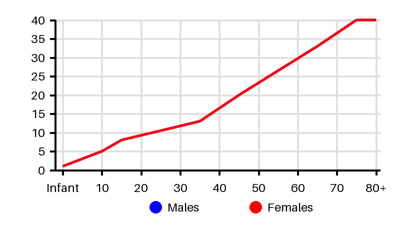
Incidence per 100.000 [v5s][bsz][wpe][fsc][ana][goc][yv4][dbz]
Symptoms & findings
Symptoms
Clinical findings
Elevated ALAT, Elevated ALP, Elevated ASAT, Elevated Bilirubin, Elevated GGT, Elevated PT-INR, Jaundice
Anamneses
None listed.
Localized findings
Approach
Liver damage induced by drugs, toxins, herbal products or homeopathic treatments can mimic any pattern of primary liver disease [dbz]
The manifestations of drug hepatotoxicity are highly variable, ranging from asymptomatic elevation of liver enzymes to fulminant hepatic failure [ya2]
Diagnostic scales (CIOMS/RUCAM) can support the causality assessment
Blood test: ASAT, ALAT, GGT, ALP, Bilirubin, PT-INR
Hepatitis viral serology
Antinuclear antibodies
Copper and iron levels
Abdominal ultrasound
CT/MRI scan
Liver biopsy: the gold standard for the diagnosis of drug-induced hepatotoxicity [dbz]
Treatment
Discontinuation of the suspected drug [bis]
Supportive care
N-acetylcysteine for acetaminophen hepatotoxicity
Corticosteroids used in oncology to manage hepatotoxicity [ya2]
Ursodeoxycholic acid traditionally used to treat cholestasis [ya2]
Liver transplantation: Kings college criteria
Paracetamol-induced hepatotoxicity:
pH < 7.3 or
arterial lactate >3.5 at 4 hours or >3.0 at 12 hours or
PT > 100 sec (PT-INR > 6.5)
Creatinine >300 mol/l (3.4 mg/dl)
Grade 3 or 4 encephalopathy
Non-paracetamol-induced hepatotoxicity:
Prothrombin time > 100 s (PT-INR > 6.5) or
Any three of the following:
Age < 11 years or age > 40 years
Etiology of non-A/non-B hepatitis, halothane hepatitis, or idiosyncratic drug reactions
Duration of jaundice of more than 7 days before onset of encephalopathy
Prothrombin time greater than 50s (INR > 3.5)
Serum bilirubin level greater than 300 umol/l (17 mg/dl)
Differential diagnoses
Acute liver failure, Alcoholic liver disease, Autoimmune hepatitis, Cholangiocarcinoma, Cholangitis, Choledocholithiasis, Cytomegalovirus, Gilbert syndrome, Heart failure, Hemochromatosis, Hepatocellular carcinoma, Lymphoma, Mononucleosis, Nonalcoholic fatty liver disease, Pancreatic cancer, Primary biliary cirrhosis, Primary sclerosing cholangitis, Viral hepatitis, Wilson's disease
References
[1] Dijmărescu, I.; Guță, O.M.; Brezeanu, L.E.; Dijmărescu, A.D.; Becheanu, C.A.; Păcurar, D. Drug-Induced Hepatitis in Children: The Experience of a Single Center in Romania. Children 2022, 9, 1136.
[2] Leise MD, Poterucha JJ, Talwalkar JA. Drug-induced liver injury. Mayo Clin Proc. 2014 Jan;89(1):95-106.
[3] Francis P, Navarro VJ. Drug-Induced Hepatotoxicity. [Updated 2024 Sep 10]. In: StatPearls [Internet]. Treasure Island (FL): StatPearls Publishing; 2025 Jan-. Available from: https://www.ncbi.nlm.nih.gov/books/NBK557535/
[4] RP López Panqueva. Morphological issues of drug induced liver disease. Revista colombiana de Gastroenterología 29 (4), 449-460, 2014. 12, 2014.
[5] Shen T, Liu Y, Shang J, Xie Q, Li J, Yan M, Xu J, Niu J, Liu J, Watkins PB, Aithal GP, Andrade RJ, Dou X, Yao L, Lv F, Wang Q, Li Y, Zhou X, Zhang Y, Zong P, Wan B, Zou Z, Yang D, Nie Y, Li D, Wang Y, Han X, Zhuang H, Mao Y, Chen C. Incidence and Etiology of Drug-Induced Liver Injury in Mainland China. Gastroenterology. 2019 Jun;156(8):2230-2241.e11.
[6] Suk KT, Kim DJ. Drug-induced liver injury: present and future. Clin Mol Hepatol. 2012 Sep;18(3):249-57.
[7] Yu, S., Li, J., He, T. et al. Age-related differences in drug-induced liver injury: a retrospective single-center study from a large liver disease specialty hospital in China, 2002–2022. Hepatol Int 18, 1202–1213 (2024).
[8] Björnsson ES, Bergmann OM, Björnsson HK, Kvaran RB, Olafsson S. Incidence, presentation, and outcomes in patients with drug-induced liver injury in the general population of Iceland. Gastroenterology. 2013 Jun;144(7):1419-25, 1425.e1-3; quiz e19-20.
[9] Sgro C, Clinard F, Ouazir K, Chanay H, Allard C, Guilleminet C, Lenoir C, Lemoine A, Hillon P. Incidence of drug-induced hepatic injuries: a French population-based study. Hepatology. 2002 Aug;36(2):451-5.
[10] Li M, Wang Y, Lv TT, Liu JM, Kong YY, Jia JD, Zhao XY. Mapping the incidence of drug-induced liver injury: A systematic review and meta-analysis. J Dig Dis. 2023 May;24(5):332-339.
[11] Devarbhavi H, Aithal G, Treeprasertsuk S, Takikawa H, Mao Y, Shasthry SM, Hamid S, Tan SS, Philips CA, George J, Jafri W, Sarin SK; Asia Pacific Association of Study of Liver. Drug-induced liver injury: Asia Pacific Association of Study of Liver consensus guidelines. Hepatol Int. 2021 Apr;15(2):258-282.
[12] Garcia-Cortes M, Robles-Diaz M, Stephens C, Ortega-Alonso A, Lucena MI, Andrade RJ. Drug induced liver injury: an update. Arch Toxicol. 2020 Oct;94(10):3381-3407.