Diagnosis
Hypernatremia
Serum Na > 145 mEq/L.
Mild: 146–149 mEq/L
Moderate: 150–169 mEq/L
Severe: >170 mEq/L
Etiology
Cause [chb][36w]
Hypernatremic dehydration (urine, sweat, GI): water loss greater than sodium loss
Diarrhea
Breastfeeding difficulties
Burns
Diuretics
Diabetes mellitus (hyperglycemia causing osmotic diuresis)
Diabetes insipidus
Diaphoresis
Fistula
Athletes who refrain from drinking during heavy exercise in hot conditions
Excessive salt ingestion (euvolemia)
Supersaturated salt solution (salt poisoning)
Infants, mentally or physically disabled individuals who cannot express thirst
Hospitalized patients with under-replaced fluid or over-replaced sodium administration
Hypervolemic hypernatremia: edematous hypernatremia
Positive water balance in which increased fluid retention in response to excessive sodium
Most often seen in critically ill patients
Associated with hypoalbuminemia and azotemia
Pathophysiology [36w][zme]
Sodium maintain extracellular fluid volume
Severity of hypernatremia is associated with cellular shrinkage (crenation)
Two tablespoons of salt (30 g) can rapidly elevate blood [Na+] depending on bodyweight [36w]
Hypernatremia --> increased plasma osmolality --> regulatory responses:
Thirst response
ADH secretion
Result: water conservation and concentrated urine
Complications [zme]
Seizure
Cerebral edema (if rapid correction of hypernatremia)
Subarachnoid or subdural hemorrhage
Dural sinus thrombosis
Epidemiology
Incidence per 100.000 [chb][b64][tnc]
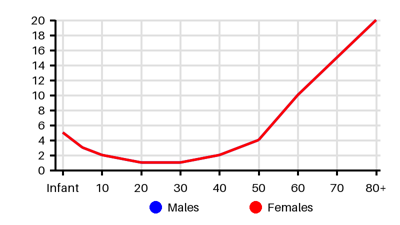
Symptoms & findings
Symptoms
Ataxia, Burns, Coma, Dehydration, Delirium, Diaphoresis, Diarrhea, Drowsiness, Dry mucous membranes, Fasciculations, Fever, Flat neck veins, Hyperreflexia, Hyperthermia, Hypotension, Irritability, Lethargy, Muscle cramps, Nausea, Oliguria, Poor skin turgor, Restlessness, Seizure, Spasticity, Syncope, Tachycardia, Tachypnea, Thirst, Vomiting, Weakness, Weight loss
Clinical findings
Electrolyte abnormality, Elevated Creatinine, Elevated Hematocrit, Elevated Hemoglobin, Elevated Osmolality, Hyperglycemia, Leukocytosis, Polycythemia
Anamneses
None listed.
Localized findings
Approach
Blood test: serum osmolality, plasma osmolality, creatinine, BUN, aldosterone, cortisol, antidiuretic hormone, and corticotropin (ACTH) levels
Urine: osmolality, urine sodium levels
CT caput
Treatment
Treatment goal: [zme]
Correct the serum sodium by maxiumum 12 meq in 24 hours
Correct the intravascular volume
Hypernatremic dehydration:
Stable circulation: Hypotonic fluid IV
Unstable circulation: Isotonic fluid IV
Excessive salt ingestion (euvolemia):
Hypotonic fluid IV
Sodium depleting diuretics
Calculating the free water deficit by the following formulas: [zme]
Total Body Water[0.6 in men and 0.5 in women x body weight(kg)] x [(plasma sodium/140) -1]
4ml x bodyweight x (desired change in serum sodium meq/L)
Children: Water deficit (in L) = [(current Na level in mEq/L - 145 mEq/L)/145 mEq/L)] × 0.6 X weight (in kg)
Differential diagnoses
Cirrhosis, Clostridium tetani, Colovesical fistula, Congenital adrenal hyperplasia, Cushing syndrome, Diabetes insipidus, Diabetes mellitus, Diarrhea, Drug side effects, Hyperaldosteronism, Hyperkalemia, Hyperphosphatemia, Hyperventilation, Hypocalcemia, Hypocapnia, Hypokalemia, Hypomagnesemia, Hyponatremia, Hypoparathyroidism, Hypovolemia, Milk-alkali syndrome, Renal artery stenosis
References
[1] Otterness K, Singer AJ, Thode HC Jr, Peacock WF. Hyponatremia and hypernatremia in the emergency department: severity and outcomes. Clin Exp Emerg Med. 2023 Jun;10(2):172-180.
[2] Hew-Butler T, Weisz K. Secret Stories of Sodium - Hypernatremia. September 2016American Society for Clinical Laboratory Science 29(3):176-185.
[3] Sonani B, Naganathan S, Al-Dhahir MA. Hypernatremia. [Updated 2023 Aug 24]. In: StatPearls [Internet]. Treasure Island (FL): StatPearls Publishing; 2025 Jan-. Available from: https://www.ncbi.nlm.nih.gov/books/NBK441960/
[4] Royal College of Paediatrics and Child Health. The Differential Diagnosis of Hypernatremia in Children, with Particular Reference to Salt Poisoning - An evidenced-based guideline. 1-106. 9-1-2009.
[5] Imai N, Sumi H, Shibagaki Y. Impact of age on the seasonal prevalence of hypernatremia in the emergency department: a single-center study. Int J Emerg Med. 2019 Sep 18;12(1):29.