Diagnosis
Renal failure
Acute
Injury: Cr ↑ of 2x baseline, GFR ↓ of 50%, or urine output <0.5mL/kg/h for 12 h
Failure: Cr ↑ of 3x baseline, GFR ↓ of 75 %, Cr ≥4.0, or urine output <0.5mL/kg/h
Chronic [oqc]
Stage 1: Kidney damage with normal or increased GFR (> 90 mL/min/1.73 m2)
Albuminuria (> 30 mg/24 hr or albumin:creatinine ratio > 30 mg/g [> 3 mg/mmol])
Urine sediment abnormalities
Electrolyte and other abnormalities due to tubular disorders
Histologic abnormalities
Structural abnormalities detected by imaging
History of kidney transplantation
Stage 2: Mild reduction in GFR (60-89)
Stage 3a: Moderate reduction in GFR (45-59)
Stage 3b: Moderate reduction in GFR (30-44)
Stage 4: Severe reduction in GFR (15-29)
Stage 5: Kidney failure (GFR < 15 or dialysis)
Also known as: Acute kidney injury, Acute renal failure, Kidney failure
Etiology
Cause of acute renal failure [eoz][6yt]
Prerenal:
Hypovolemia: hemorrhage, severe burns, and gastrointestinal fluid losses such as diarrhea, vomiting, and high ostomy output.
Hypotension from decreased cardiac output: cardiogenic shock, massive pulmonary embolism, acute coronary syndrome.
Hypotension from systemic vasodilation: septic shock, anaphylaxis, anesthesia administration.
Renal vasoconstriction: NSAIDs, iodinated contrast, amphotericin B, calcineurin inhibitors, hepatorenal syndrome.
Glomerular efferent arteriolar vasodilation (causing intraglomerular hypotension): ACE inhibitors, angiotensin receptor blockers.
Renal (hematuria or proteinuria):
Acute tubular necrosis (ATN): ischemia from prolonged prerenal injury, rhabdomyolysis; intravascular hemolysis (sickle cell), Hemolytic‐uremic syndrome
Acute interstitial nephritis (AIN): Infection, autoimmune conditions (systemic lupus erythematosus), hereditary AIN
Glomerulonephritis: anti-glomerular basement membrane disease, immune complex-mediated diseases (such as SLE, post-infectious glomerulonephritis, cryoglobulinemia, IgA nephropathy, IgA vasculitis), rapidly progressive glomerulonephritis, tubulointerstitial nephritis
Intratubular obstruction: monoclonal gammopathy (multiple myeloma), tumor lysis syndrome, hemolytic anemia, and toxins such as ethylene glycol.
Systemic condictions: Trauma, sepsis, DIC, hepatorenal syndrome
Drugs: Aminoglycosides, Vancomycin, Penicillin, Amoxycillin, Ampicillin, Ciprofloxacin, Rifampicin, Sulphonamides, Co‐trimoxazole, Aciclovir, Phenytoin, Cimetidine, Omeprazole, Thiazide diuretics, Furosemide, Allopurinol, Mesalazine, Amphotericin B, Pentamidine, iodinated contrast, NSAIDs, proton pump inhibitors, 5-ASA
Postrenal:
Renal/ureteral calculi, tumors, blood clots, neurogenic bladder, bladder cancer, urethral obstruction (BPH, prostate cancer, retroperitoneal fibrosis, pregnancy, fecal impaction, pelvic organ prolapse, pelvic masses/malignancy, phimosis)
Cause of chronic renal failure [4be]
Type 2 diabetes (30%-50%)
Type 1 diabetes (3.9%)
Atherosclerotic hypertensive renal failure (27.2%)
Primary glomerulonephritis (8.2%)
Membranoproliferative, focal segmental, IgA nephropathy, minimal change, rapidly progressive, Goodpasture
Chronic tubulointerstitial nephritis (3.6%)
Hereditary or cystic diseases (3.1%)
Secondary glomerulonephritis or vasculitis (2.1%)
Plasma cell dyscrasias or neoplasm (2.1%)
Sickle cell nephropathy
Pathophysiology [eoz][4be]
Kidney functions: EPO/vitamin D production, acid-base homeostasis, fluid/electrolyte regulation, and waste-product elimination
Glomerular filtration is based on pressure difference between the glomerulus and Bowman's space
Acute renal failure: Ischemia/toxins --> cellular insult --> cell death --> renal failure
Prerenal: Reduction in renal blood flow (under the direct control of the combined resistances of afferent and efferent vascular pathways)
Intrarenal: Intratubular obstruction (myoglobin, uric acid crystals in tumor lysis syndrome, immunoglobulin light chains), immune-mediated injury of the vasculature, immune complex deposition leading to glomerular and tubular damage
Postrenal: urinary reflux --> decreased renal perfusion, tubular atrophy, and interstitial inflammation
Chronic renal failure: sustained insults --> progressive nephropathy --> kidney fibrosis in the glomeruli (glomerulosclerosis), tubules and interstitium (tubulointerstitial fibrosis), and vessels (vascular sclerosis)
Prerenal: Decreased renal perfusion (chronic heart failure or cirrhosis)
Intrinsic renal:
Vascular: nephrosclerosis (chronic damage to blood vessels, glomeruli, and the tubulointerstitium), renal artery stenosis, fibromuscular dysplasia
Nephritic disease: abnormal urine microscopy due to post-infectious glomerulonephritis, infective endocarditis, IgA nephropathy, lupus nephritis, Goodpasture syndrome, and vasculitis
Nephrotic disease: proteinuria >3.5 g/24 h due to minimal change disease, focal segmental glomerulosclerosis, membranous glomerulonephritis, diabetic nephropathy, and amyloidosis
Tubular and interstitial disease: Polycystic kidney disease, nephrocalcinosis, sarcoidosis, Sjögren syndrome, and reflux nephropathy
Postrenal: prostatic disease, nephrolithiasis, abdominal/pelvic tumor, ureteropelvic or ureterovesical junction stenosis, retroperitoneal fibrosis or neurogenic bladder
Renal failure --> accumulation of water, sodium, and other metabolic products
Uremia (urine in the blood):
Fluid/electrolyte imbalance
Hormonal abnormalties
Accumulation of nitrogenous waste products (urea)
Complications [eoz][4be]
Hyperkalemia --> arrhythmias
Hyponatremia
Hyperphosphatemia
Metabolic acidosis
Hypervolemia --> Pulmonary edema, heart failure
Hypertension
Anemia
Metabolic acidosis
CNS signs of uremia: lethargy, somnolence, cognitive impairment
Epidemiology
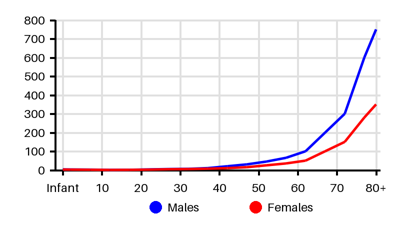
Incidence per 100.000 [ksr]
Symptoms & findings
Symptoms
Amenorrhea, Anorexia, Asterixis, Cardiac arrest, Coma, Decreased consciousness, Decreased libido, Diarrhea, Distant heart sounds, Epistaxis, Fatigue, Hematemesis, Hematochezia, Hypertension, Melena, Muscle cramps, Muscle weakness, Nausea, Photopsia, Pruritus, Scotoma, Seizure, Thirst, Visual disturbances, Vomiting, Weakness, Weight loss
Clinical findings
Acidosis, Anemia, Decreased Albumin, Elevated Creatinine, Elevated PTH, Gynecomastia, Hydronephrosis, Hyperkalemia, Hyperphosphatemia, Hypocalcemia, Hypoglycemia, Metabolic acidosis, Pericardial effusion, Pleural effusion
Anamneses
None listed.
Approach
Blood test: urea, electrolytes, hemoglobin, calcium, phosphate, PTH, albumin, kalium, lipid profile, albumin, ANA, C-ANCA, P-ANCA, anti-GBM, serum complement levels, hepatitis, HIV
Urine-stix
Urine microscopy/culture
Electrocardiogram
Isotope clearance
Ultrasound kidney/bladder
CT abdomen
Biopsy
Protein electrophoresis (serum and urine)
Acute vs Chronic renal failure
Medical history: GP, family
Anemia, hypocalcemia, and hyperphosphatemia
Renal ultrasonography: size, cortical scarring and possibly cyst formation
Treatment
Acute renal failure: [6yt]
Treat life threatening features:
Hypotension/shock: IV fluid
Hypervolemia/pulmonary edema: IV furosemide during the oliguric phase of ATN
Hyperkalemia: Dietary restriction, Insulin, IV dextrose, beta-agonists, potassium-binding resins, calcium gluconate, dialysis
Acidosis: citrate or bicarbonate
Hyperphosphatemia: dietary ingestion or using phosphate binders
Treat cause of acute renal failure:
Prerenal/dehydration/hypovolumia: IV fluids, bowel obstruction, blood transfusion
Renal: Treat the underlying condition (avoid drugs, immunosuppression)
Postrenal: Relief of obstruction (double-J stent, lithotripsy, pyelostomi, surgery)
Renal Replacement Therapy (intermittent or continuous):
Severe hyperkalemia, unresponsive to medical therapy
Fluid overload with pulmonary edema
Uraemia (blood urea >30–50 mmol/l)
Complications of severe uraemia: encephalopathy, pericarditis, neuromyopathy
Severe acidosis (pH <7.1)
Drug overdose with a dialysable toxin
Chronic renal failure: [oqc]
Delaying the progression of CKD: Treatment of the underlying condition
Diabetes
Hypertension
Nephrotoxins: radiocontrast, NSAIDs, aminoglycosides, AR-blocker/ACE-inhibitor
Autoimmune kidney disease
Treating the pathologic manifestations of CKD:
Diet: Protein/salt/phosphate/potassium/volume restriction
Anemia: erythropoiesis-stimulating agents and iron
Hyperphosphatemia: phosphate binders and dietary phosphate restriction
Hypocalcemia: calcium supplements
Hyperparathyroidism: calcitriol or vitamin D analogues
Volume overload: fluid restriction, loop diuretics or ultrafiltration
Metabolic acidosis: oral alkali supplementation
Uremia --> renal replacement therapy (hemodialysis/peritoneal dialysis)
Severe metabolic acidosis
Hyperkalemia/hyponatremia/hypercalcemia/hypocalcemia/hyperphosphatemia
Pericarditis or pleuritis
Encephalopathy
Intractable volume overload
Hypertension not responsive to antihypertensive medications
Failure to thrive and malnutrition
Peripheral neuropathy
Intractable gastrointestinal symptoms
In asymptomatic patients: GFR of 5-9 mL/min/1.73 m²
Kidney transplantation
Differential diagnoses
Alport syndrome, Anemia, Benign prostatic hyperplasia, Diabetes mellitus, Essential hypertension, Gastrointestinal hemorrhage, Glomerulonephritis, Heart failure, Hyperchloremic acidosis, Hyperkalemia, Hypermagnesemia, Hyperparathyroidism, Hyperphosphatemia, Hypocalcemia, Hypothyroidism, Hypovolemia, Malignant hypertension, Multiple myeloma, Pericarditis, Prostate cancer, Renal artery stenosis, Subdural hematoma, Urinary retention, Urinary tract infection, Urolithiasis
References
[1] http://emedicine.medscape.com/article/238798 (2014-01-02); [Medscape]
[2] Goyal A, Daneshpajouhnejad P, Hashmi MF, et al. Acute Kidney Injury. [Updated 2023 Nov 25]. In: StatPearls [Internet]. Treasure Island (FL): StatPearls Publishing; 2025 Jan-. Available from: https://www.ncbi.nlm.nih.gov/books/NBK441896/
[3] Fry AC, Farrington K. Management of acute renal failure. Postgrad Med J. 2006 Feb;82(964):106-16.
[4] Vaidya SR, Aeddula NR. Chronic Kidney Disease. [Updated 2024 Jul 31]. In: StatPearls [Internet]. Treasure Island (FL): StatPearls Publishing; 2025 Jan-. Available from: https://www.ncbi.nlm.nih.gov/books/NBK535404/
[5] Akrawi DS, Li X, Sundquist J, Sundquist K, Zöller B. Familial risks of kidney failure in Sweden: a nationwide family study. PLoS One. 2014 Nov 25;9(11):e113353.
[6] Mehta, R.L., Kellum, J.A., Shah, S.V. et al. Acute Kidney Injury Network: report of an initiative to improve outcomes in acute kidney injury. Crit Care 11, R31 (2007).